Topics / Real-time workflows
Build for real-time work
Prepare scenes, collaborate without losing versions, and keep the intended shot inside the available frame time.
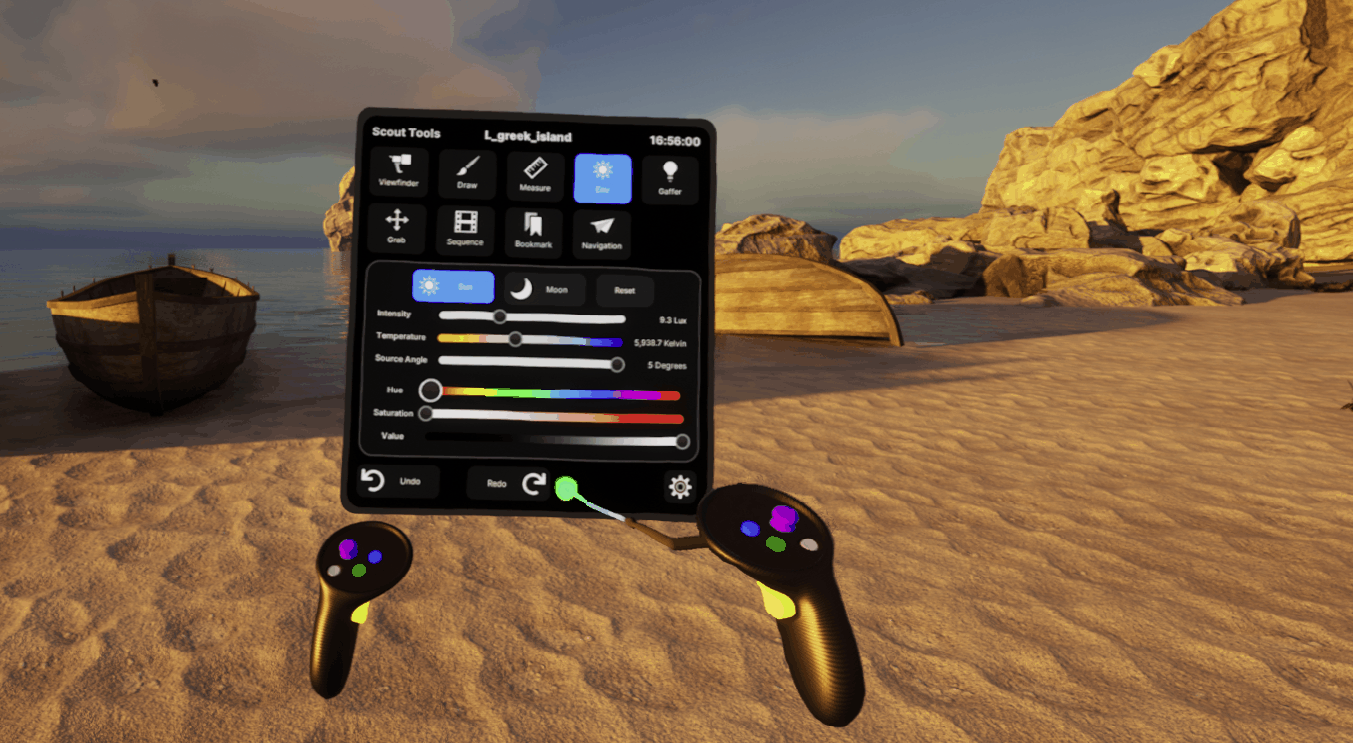 Epic presents Virtual Scouting as VR tools for navigating and interacting in virtual-production environments. Epic Games / Unreal Engine Documentation · Publication permission pending owner review. View full size
Start with these questions
Epic Games / Unreal Engine Documentation · source visual
Real-time workflows / Guide
Use the virtual location to settle camera, blocking, and set questions before the stage becomes the meeting room.
Epic Games / Unreal Engine Documentation · source visual
Real-time workflows / Guide
Use a shared Unreal session for immediate collaboration, but make durable project state recoverable through a revision workflow.
Real-time workflows / Guide
Frame rate is the reciprocal of time: turn the stage target into milliseconds, then profile the actual heaviest node configuration.
Epic Games / Unreal Engine Documentation · source visual
Real-time workflows / Guide
Move from an attractive workstation scene to a tested, recoverable package with a clear owner and known limits.
Go deeper
Epic Games / Unreal Engine Documentation · source visual
Real-time workflows / Guide
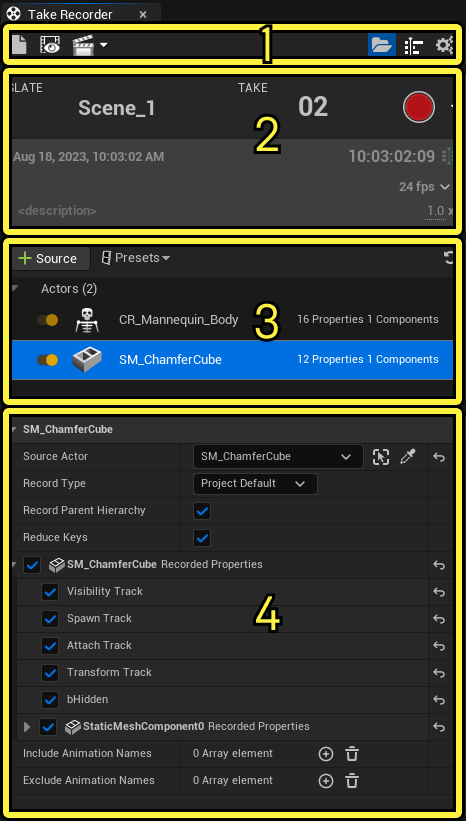
Recording a performance is not the same as knowing which take, camera state, and technical conditions produced a usable result.

Mold3D Studio, via Epic Games · source visual
Real-time workflows / Guide
Build a render package from an agreed image contract, then prove a small section before committing the full queue.
Real-time workflows / Guide
Send a small, declared scene package with layers, dependencies, variants, and acceptance views instead of treating a .usd extension as a guarantee.
Real-time workflows / Archive record
Epic's own documentation shows nDisplay solves frame synchronization across networked render nodes, not virtual production as a whole.
Real-time workflows / Archive record
Epic's quick start documents a twelve-step ICVFX setup, but calibration and coordinate work it references live in separate documents.
Real-time workflows / Archive record
The 2019 field guide's own table of contents shows it organized virtual production by department rather than by tool.