The stage
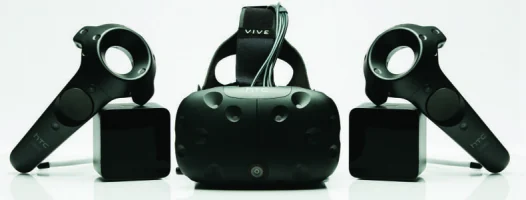
HTC VIVE's virtual-production tracking hardware, sold today as VIVE Mars, is described on the vendor's own product site, archived 16 September 2026 after the live site returned a Cloudflare error to automated retrieval. The page states the system uses SteamVR Tracking 2.0 technology and VIVE Trackers, supports up to four base stations covering an area up to 10 metres by 10 metres, and works with up to three VIVE Tracker (3.0) units for tracking a camera, lights or props. It lists Genlock and timecode sync as features and states no installation is required beyond placing base stations. HTC's own retail listing, the VIVE Store page, prices the current kit at $5,000 USD as checked 16 September 2026.
What the documents establish
The product page is a living marketing document, not a dated technical filing, and this entry treats it that way rather than as a fixed historical record. What it does establish, in the vendor's own words, is the tracking technology's origin: SteamVR Tracking 2.0 and VIVE Trackers are the same base-station system HTC built for consumer and prosumer VR, repurposed for camera tracking. The page does not publish an independent positional-accuracy figure, unlike some competing vendors' pages; it states area coverage and hardware counts, not a measured accuracy tolerance. Customer statements quoted on the page, from a content producer and a systems-integration company, describe the product's effect on their workflow; they are endorsements from named users, not the vendor's own specification, and this entry labels them accordingly.
The department view
A virtual-production technician places and calibrates the base stations before the shoot day, a task the page frames as fast because no fixed installation is required. The camera department mounts one VIVE Tracker to the camera body and a second to a calibration board, per the page's minimum setup requirement, while a third tracker is available for a light or prop if the production needs multi-object tracking. The trade-off the page itself surfaces is scale versus cost: the base-station volume tops out at 10 by 10 metres, which suits a compact indoor stage rather than a large LED volume, at a fraction of the list price of broadcast-grade tracking systems.
What to check before you build
This is an editorial checklist. Confirm current base-station and tracker firmware against the vendor's downloads page before a shoot, since the product line has changed branding and hardware generations since its original launch. Ask HTC directly for a measured positional-accuracy figure if the production needs one, since the page publishes area and hardware counts, not a tolerance. Verify regional availability, since the page lists specific launch countries rather than universal availability.
- Does the 10-by-10-metre coverage figure match the actual stage footprint, including camera travel?
- Has HTC published a positional-accuracy figure for this configuration, or only area and hardware-count specifications?
- What tracker and base-station firmware versions does the current kit ship with, relative to the archived product page?
Read narrowly, HTC's own materials describe a base-station kit built on consumer VR hardware and priced well under broadcast-grade systems, without the vendor claiming an accuracy figure to match those systems.
Sources & reading trail
States the SteamVR Tracking 2.0 basis, base-station coverage area, tracker counts, genlock/timecode support, and includes named customer statements.
Source published: Not established · Retrieved: 16 September 2026
States the current US list price of $5,000 for the VIVE Mars CamTrack kit.
Source published: Not established · Retrieved: 16 September 2026
Vendor documentation, standards and reports establish the entry; the department view is Stagecraft Atlas editorial analysis. This retrospective draft does not imply the site published on the event date.