The stage
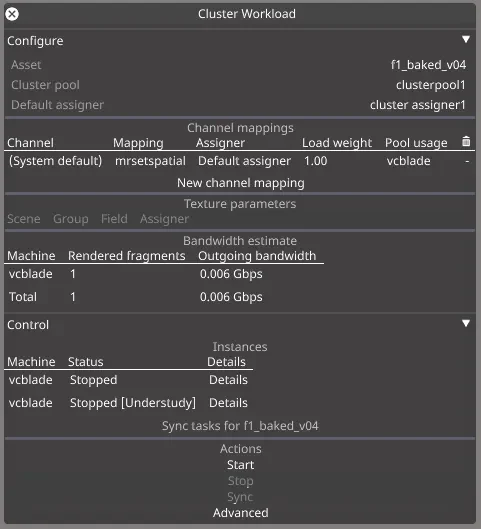
disguise's own RenderStream product page, retrieved 16 September 2026, describes RenderStream as “a proprietary architecture for controlling and visually integrating real-time content engines” into the company's Designer software, “transports rendering information between Disguise and your engine of choice,” and can “distribute render power across Disguise RX render nodes through cluster rendering.” The company's separate RenderStream Overview documentation names the engines RenderStream supports: Unreal Engine, Unity, Notch, TouchDesigner, “and other third-party render engines integrated via the RenderStream SDK.” The product page describes the exchange as “a bidirectional protocol for exchanging rendering information, camera tracking data, image frames, metadata and control parameters.”
What the documents establish
Both pages are disguise's own description of its own software, so “superior graphics control over any engine” is vendor language, not an independent comparison against a competing layer; Zero Density and Pixotope publish comparable protocols for their own hardware, and this entry makes no claim RenderStream is unique in kind. What the documentation establishes reliably is the named engine list and the specific data categories moved, camera tracking, frames, metadata, control parameters, a more concrete claim than a general “integrates” statement. The help site also describes an SDK path for third-party engines the marketing page does not mention.
The department view
For the on-set engineering and brain-bar crew, RenderStream's role is a data-exchange layer, not a renderer itself: image generation happens inside Unreal, Unity, Notch, or TouchDesigner, while RenderStream moves camera-tracking data to that engine and frames back to disguise's servers. That division matters because a crew troubleshooting lag or a sync issue needs to know which side of the exchange the problem sits on, the engine's own performance or the RenderStream transport layer, before deciding which vendor's support line to call.
What to check before you build
This is an editorial checklist: confirm which render engines and versions a planned build needs, since the documented list is not exhaustive of every real-time tool on the market, and verify with disguise directly whether remote or local rendering mode, both described in the help documentation, fits the production's latency and setup needs before committing to hardware.
- Which render engine is actually generating content on a volume, and is RenderStream moving data to and from it, or is a different protocol in use?
- Does the planned engine appear on disguise's current supported-engine list, or would it need a third-party SDK integration not guaranteed complete?
- Is a sync or latency problem being diagnosed at the render-engine layer or the RenderStream transport layer, per the architecture described?
disguise's materials are specific about what RenderStream moves and which engines it names, useful for planning a build, but they do not support treating RenderStream as the only interoperability layer available in the market.
Sources & reading trail
disguise's own description of RenderStream's architecture and the categories of data (camera tracking, frames, metadata, control) it moves between hardware and engines.
Source published: Not established · Retrieved: 16 September 2026
disguise's own documentation naming the specific render engines RenderStream supports and describing the SDK path for third-party engines.
Source published: Not established · Retrieved: 16 September 2026
Vendor documentation, standards and reports establish the entry; the department view is Stagecraft Atlas editorial analysis. This retrospective draft does not imply the site published on the event date.