The stage
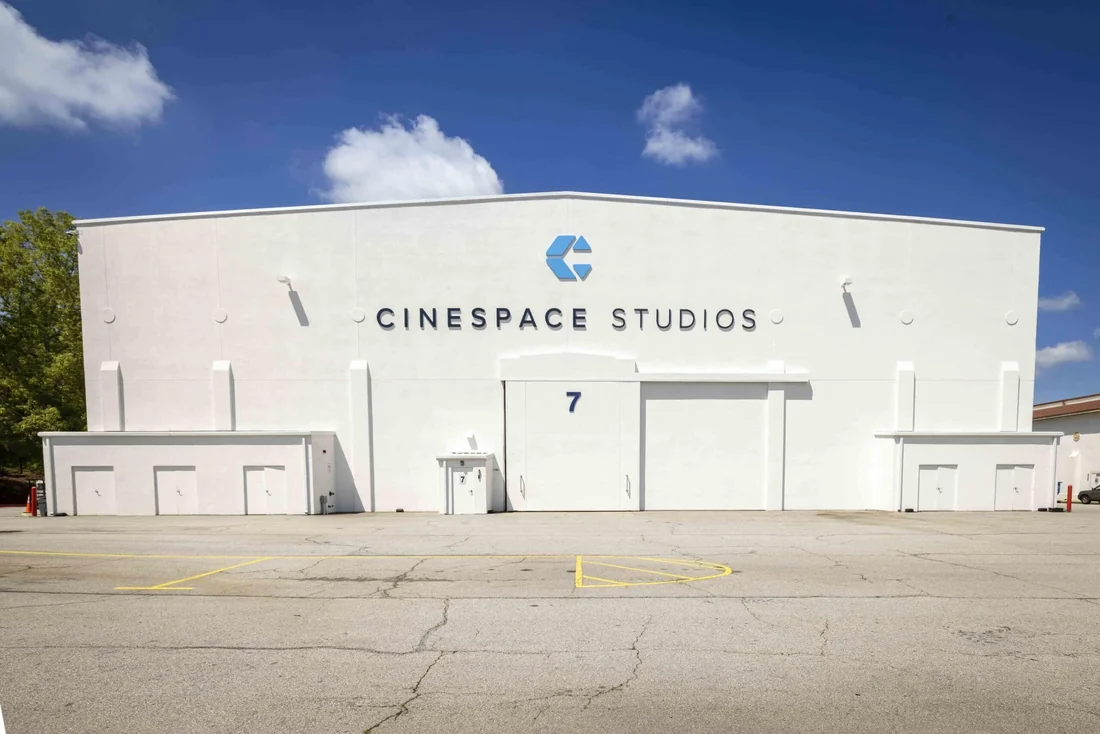
Cinespace Toronto's own facility page, as retrieved 16 September 2026, describes itself as “Ontario's largest provider of production facilities,” with “1.4 Million Sq. Ft.,” “29 Active Stages” and three campuses. Among the on-lot vendors the page lists for productions to book directly, two are named specifically for LED and virtual-production work: Orbital Studios and Fuse TG, both tagged on the page as “(LED and Virtual Production).” The page does not describe Cinespace itself as operating or owning an LED volume.
What the documents establish
This is a landlord-versus-specialist distinction the facility's own page draws for you: Cinespace supplies stages, power and production support, while virtual-production capability is delivered by named third-party vendors operating on its lot, not by Cinespace's own crew. A second Cinespace release, announcing a new Los Angeles soundstage campus dated 2 March 2026, describes six new 18,000-square-foot soundstages in Woodland Hills, its sixth production hub worldwide, with no mention of an in-house virtual-production offering there either. Read together, the two documents show Cinespace's own expansion pattern is soundstage construction, with virtual production arriving as a layered, partner-delivered service rather than a Cinespace product.
The department view
A unit production manager or location manager booking a Cinespace stage for an ICVFX shoot contracts separately with whichever named vendor, Orbital Studios or Fuse TG, supplies the volume, its processing and its crew, in addition to Cinespace's own stage-rental agreement. That is a two-contract relationship, landlord and integrator, documented by the facility's own vendor list, rather than a single booking with one operator responsible for both the stage and the wall.
What to check before you build
Editorially: confirm which named vendor is actually contracted for a given Cinespace shoot and verify that vendor's own equipment and crew capability separately from Cinespace's stage lease terms, since the facility page vouches for on-lot access, not for a specific vendor's technical specification. Because vendor listings on a facility page can change, recheck the current list before assuming a prior production's vendor is still available, and confirm whether the vendor relationship applies at the Toronto campuses specifically rather than at every Cinespace location.
- Which named on-lot vendor, Orbital Studios or Fuse TG, is actually contracted for the production being discussed?
- Does that vendor's own equipment list match the volume specification a production is assuming?
- Is the vendor relationship current on Cinespace's own facility page, given it is a living listing?
Cinespace's own page documents a working model for volume access inside a large studio campus: the landlord builds and rents stages, and names the specialists who bring the wall.
Sources & reading trail
Facility's own page lists stage/campus totals and names Orbital Studios and Fuse TG as on-lot LED and virtual-production vendors.
Source published: Not established · Retrieved: 16 September 2026
Company's own release on a new soundstage campus, showing expansion is stage construction rather than an in-house VP offering.
Source published: 2 March 2026 · Retrieved: 16 September 2026
Vendor documentation, standards and reports establish the entry; the department view is Stagecraft Atlas editorial analysis. This retrospective draft does not imply the site published on the event date.