The stage
On 6 April 2021, Epic Games published a blog post announcing Volume 2 of The Virtual Production Field Guide, again written by Noah Kadner and presented by Epic Games. The announcement states what changed since 2019: the COVID-19 pandemic forced new remote-collaboration requirements onto productions, several high-profile virtual production projects, including The Mandalorian, had by then been publicly discussed, and the underlying technology and workflows had moved on. Epic describes Volume 2 as “a deep dive into a variety of virtual production workflows including remote collaboration, visualization, in-camera VFX, and animation,” built around “a large number of case study interviews with creative professionals.” The Volume 2 PDF itself confirms that structure in its table of contents.
What the documents establish
Both documents are Epic's own publications, so what they establish is Epic's own account of what Volume 2 added, not an independent audit of the guide's accuracy or reach. The blog post is explicit about the addition over Volume 1: a chapter on remote collaboration that did not exist as a documented category in 2019, expanded visualization and in-camera VFX material, and an animation section. The PDF's table of contents corroborates this, listing named interviews, among them cinematographer Robert Legato, ASC, and director Jon Favreau, under headings for Remote Collaboration, Visualization, and In-Camera VFX. The case studies are first-person interview material credited to the individuals named, not independently benchmarked production data, and this entry treats them the same way.
The department view
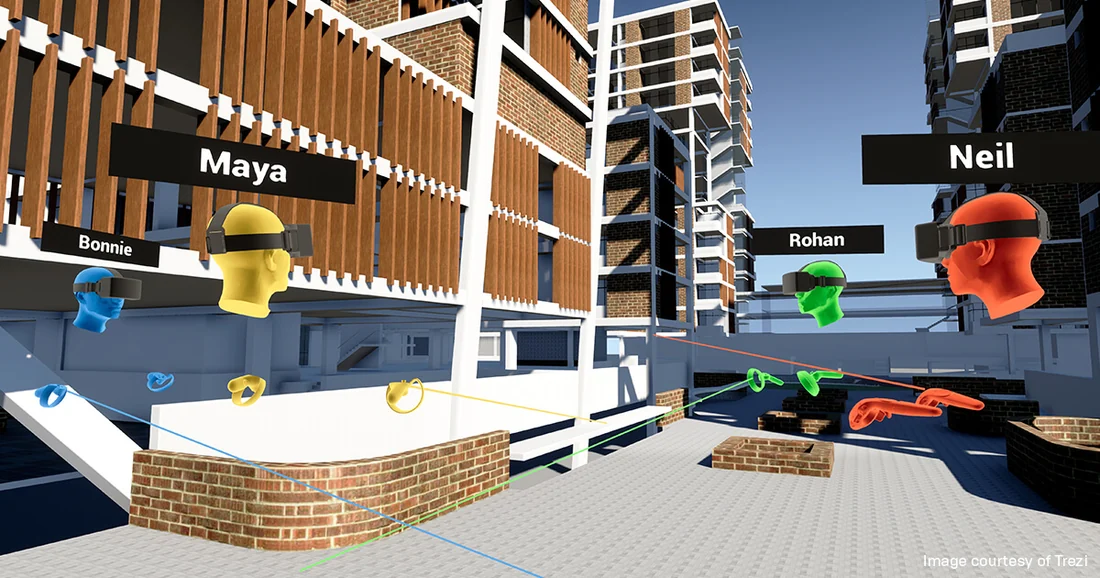
Volume 2 widens the department lens Volume 1 opened: alongside producer and VFX interviews, it adds digital-human specialists and visualization artists, reflecting how virtual production workflows had spread from principal photography into performance and pitch visualization by 2021. The remote-collaboration chapter speaks directly to a production-management trade-off the pandemic forced into the open: real-time engines let a reduced, distributed crew review a shot together without everyone standing in the same volume, at the cost of depending on network reliability and remote-review tooling that a traditional set did not need. That is a workflow change with a named cause, stated in Epic's own account, not an editorial inference.
What to check before you build
This is an editorial checklist. Treat each named interview as that person's account at the time of publication, not a current statement of their ongoing practice. Confirm whether a workflow described as new in 2021 is still the current version Epic documents elsewhere, since software changes faster than a field guide gets revised. Cross-check any claim about a named production, such as The Mandalorian, against that production's own credited sources rather than Epic's summary alone.
- Is a Volume 2 case study being cited as the interviewee's account, rather than verified production data?
- Has the tool or workflow described in a 2021 chapter been superseded by newer Epic documentation?
- Does a claim about a named production have a source beyond this guide's own summary?
Volume 2 is best read as a snapshot of how Epic and named practitioners described virtual production workflows in early 2021, expanded to cover remote collaboration, visualization, in-camera VFX and animation, not as a maintained manual.
Sources & reading trail
Epic's own dated announcement stating what Volume 2 added over Volume 1: remote collaboration, expanded visualization, in-camera VFX and animation chapters.
Source published: 6 April 2021 · Retrieved: 16 September 2026
The guide's own table of contents corroborating the chapter structure and named case-study interviews the announcement describes.
Source published: Not established · Retrieved: 16 September 2026
Vendor documentation, standards and reports establish the entry; the department view is Stagecraft Atlas editorial analysis. This retrospective draft does not imply the site published on the event date.