The stage
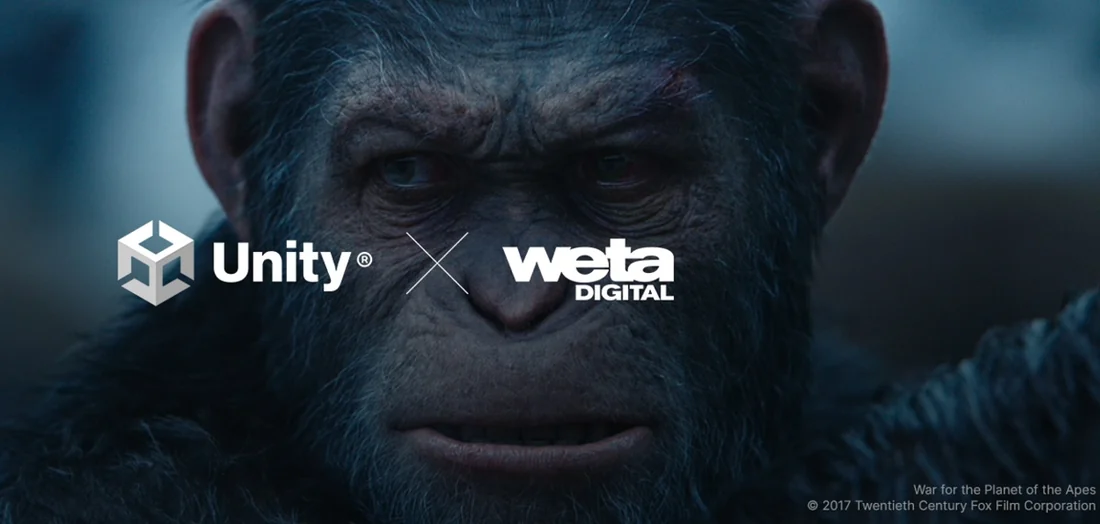
On 9 November 2021, Unity announced a definitive agreement to acquire Weta Digital's tools, pipeline, technology, and engineering talent, retrieved here through a Wayback Machine snapshot because Unity's newsroom no longer hosts the original release at that address. The announcement names specific proprietary tools moving to Unity, including Manuka, Lumberjack, Loki, Squid, Barbershop, HighDef and CityBuilder, and states that Weta Digital's visual-effects production team would continue as a standalone company, WetaFX, under Sir Peter Jackson's majority ownership and CEO Prem Akkaraju, expected to become one of Unity's largest Media and Entertainment customers rather than being absorbed into Unity itself.
What the documents establish
Unity's own release states the acquisition's intended direction: bringing Weta's “incredibly exclusive and sophisticated visual effects tools” onto Unity through “an accessible cloud-based workflow.” A second release, dated 1 December 2021, confirming the deal had closed, adds that 275 Weta Digital engineers joined Unity along with “a foundational data platform for interoperable 3D art creation” and an asset library. Both documents are Unity's own statements of intent and scope at announcement and closing; neither is a product page confirming which named tools have shipped inside Unity's engine, and this entry claims only that Unity stated this direction.
The department view
The announcement speaks most directly to simulation and look-development artists, the roles Weta's named tools, cloth and fluid simulation or procedural look-development pipelines, are built for, rather than to camera or tracking crews on a physical stage. For a virtual-production pipeline, the practical question the release raises is whether VFX-grade, offline-oriented tools built for a render farm can become real-time enough to matter on a live volume, a translation the announcement asserts as a goal without documenting a finished technical path. The trade-off named in the release is between preserving Weta Digital's identity, kept alive as the separately owned WetaFX, and extracting its tools and engineers into a different company's platform, a split the announcement frames as deliberate.
What to check before you build
This is an editorial checklist. Do not assume any tool named in the 2021 announcement, Manuka, Lumberjack, Loki, Squid, Barbershop, HighDef or CityBuilder, is available inside a current Unity release without checking Unity's current documentation for that tool. Treat the “largest customer” and integration-timeline language as Unity's own framing at the time, not an independently confirmed outcome years later. Distinguish between WetaFX, the continuing VFX production company, and the Weta tools and engineers that moved to Unity, since the two are not the same entity.
- Has the specific Weta-originated tool relevant to this build actually shipped in a current Unity release, per Unity's own current documentation?
- Is WetaFX, the production company, being confused with the Weta tools and engineering team that moved to Unity?
- What, if anything, has Unity stated more recently about the integration's progress since this 2021 announcement?
The 2021 announcement documents an intent and a completed transaction, not a finished product. What it establishes is Unity's own stated direction for VFX-grade tools inside a real-time engine; whether that direction reached a specific virtual-production workflow is a later question the releases do not answer.
Sources & reading trail
Unity's own announcement naming the specific Weta Digital tools and engineering talent covered by the acquisition agreement and WetaFX's continuing separate status.
Source published: 9 November 2021 · Retrieved: 16 September 2026
Unity's own follow-up confirming the transaction closed, naming 275 engineers and a data platform moving to Unity.
Source published: 1 December 2021 · Retrieved: 16 September 2026
Vendor documentation, standards and reports establish the entry; the department view is Stagecraft Atlas editorial analysis. This retrospective draft does not imply the site published on the event date.