The stage
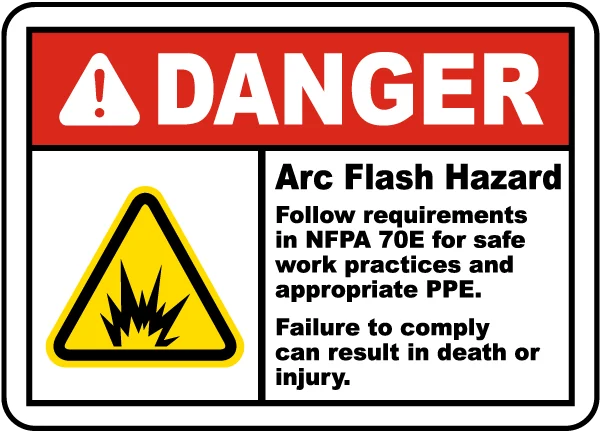
NFPA's own standard-development page, retrieved 16 September 2026, names the edition currently in progress “NFPA 70E, Standard for Electrical Safety in the Workplace (2027),” and states its purpose as “requirements for safe work practices to protect personnel by reducing exposure to major electrical hazards,” covering shock, electrocution, arc flash and arc blast, and assisting compliance with OSHA 1910 Subpart S and 1926 Subpart K. The page's own schedule shows First Draft meetings held 30 July to 2 August 2024 in Memphis, Tennessee, part of NFPA's ordinary multi-year revision cycle for the document.
What the documents establish
The NFPA page does not name entertainment production, soundstages, rigging or LED volumes anywhere; this entry does not claim NFPA 70E was written for, or specifically addresses, stage construction. It establishes only that 70E is a general workplace electrical-safety standard, developed “originally...at OSHA's request” per NFPA's own description, that any employer running electrical systems, a studio included, can apply. A separate document, the British Film Commission's own Progressing Studio Sustainability report, dated March 2025, gives a concrete reason a stage crew might care: it states that LED panels and virtual-production data processing “come with increased power requirements,” and models a 16-stage studio where added cooling capacity raises maximum electrical demand by 38% over a heating-only baseline.
The department view
The production's chief lighting technician and rigging electricians work directly with the shock and arc-flash hazards 70E's own scope names, and the BFC's modelling shows LED-processing and cooling loads pushing installed power higher on virtual-production-capable stages. The trade-off the two sources suggest, read together and editorially: higher installed power for LED walls and render racks raises the stakes of the exposures 70E addresses, without either document stating that 70E itself governs stage rigging specifically.
What to check before you build
Editorially: do not cite NFPA 70E as an entertainment-specific code; confirm which electrical code and edition a jurisdiction's stage-construction permit actually references; check the BFC modelling's own assumptions, a 16-stage studio, before applying its percentage to a differently sized facility; and confirm which 70E edition a rigging crew's training certificate covers, since the 2027 edition was still in its draft stages as of the page's own schedule.
- Which electrical code and edition does the relevant jurisdiction's stage-construction permit actually cite?
- Does a claimed power-demand increase trace to the BFC's 16-stage model, or to the specific facility in question?
- Which NFPA 70E edition does a rigging crew's electrical-safety training actually certify against?
NFPA's own page scopes 70E to general workplace electrical hazards, not to entertainment rigging, even as a separate studio-sustainability document shows why those hazards are becoming more relevant on virtual-production-capable stages.
Sources & reading trail
NFPA's own page naming 70E's 2027 edition in development, its scope (shock, arc flash, arc blast) and its OSHA linkage.
Source published: Not established · Retrieved: 16 September 2026
Documents rising electrical demand from LED panels and virtual-production processing on UK stages, the practical context for 70E's hazards.
Source published: 1 March 2025 · Retrieved: 16 September 2026
Vendor documentation, standards and reports establish the entry; the department view is Stagecraft Atlas editorial analysis. This retrospective draft does not imply the site published on the event date.