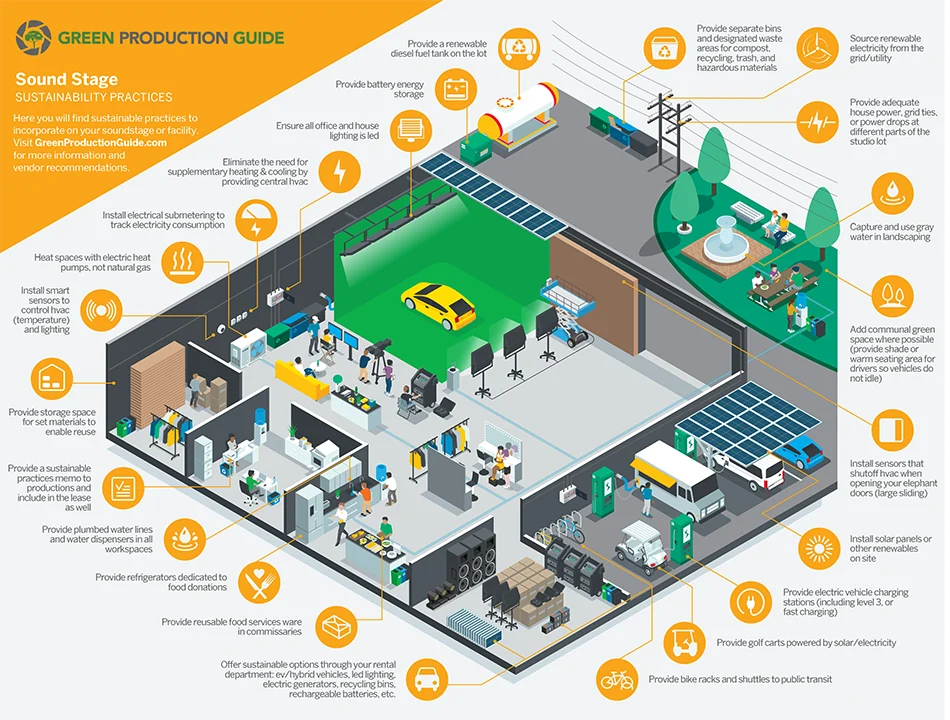
The stage
Senate Bill 144 was enacted on 21 July 2021, creating the Soundstage Filming Tax Credit Program, which the California Film Commission's own program page, retrieved 16 September 2026, describes as a credit “equal to 20% or 25% of qualified expenditures for the production of a qualified motion picture in this state at a certified studio construction project,” for taxable years beginning on or after 1 January 2022 and before 1 January 2032. The program carries a $150 million allocation and requires a project to meet the Commission's own certification criteria for a “certified studio construction project” before productions filming there can claim the credit.
What the documents establish
This is a separate, smaller program from the Commission's headline production incentives. The Program 3.0 Resources page states that program covered Credit Allocation Letters dated from 1 July 2020 to 30 June 2025; the Program 4.0 basics page describes the Commission's current program as a $3.75 billion allocation running five years to a sunset date of 30 June 2030, with $750 million released each fiscal year across TV, relocating-TV, indie and non-indie feature categories. Neither Program 3.0 nor 4.0's own description mentions soundstage construction. The Commission's statistics page notes that its reported figures reflect “Programs 1.0, 2.0, 3.0, 4.0 and Soundstage Filming Program” together, which establishes that the Commission itself tracks the Soundstage credit as administratively distinct even while reporting it alongside the general programs.
The department view
The Soundstage credit is a production-finance and studio-development matter more than a below-the-line one: the Commission's page requires a two-phase application, with Phase A needing a third-party “Certified Studio Construction Project Verification Report” from a CPA firm before a Phase B application for the qualifying production can proceed. The program also requires a diversity workforce plan, with additional credit tied to meeting it, a documented trade-off between construction incentive and workforce commitment that a studio developer must plan for before breaking ground, not after.
What to check before you build
Editorially: do not assume a California production's tax credit rate reflects Program 4.0's general terms if the stage itself was built under the separate Soundstage program, since the two have different rates, caps and qualifying tests. Confirm the Credit Allocation Letter's program version and date range against the Commission's own resource page for that version, and confirm the $150 million Soundstage allocation has not been exhausted before assuming a project will qualify.
- Does the stage in question hold the Commission's own certified-studio-construction designation, or is the claim only that a production filmed there?
- Which program version's Credit Allocation Letter date range actually covers the production being discussed?
- Has the diversity workforce plan requirement been met in a way that affects the credit percentage claimed?
A California soundstage-construction incentive exists, but the Commission's own pages place it in a separate program from the general production tax credit, with its own rate, cap and verification process.
Sources & reading trail
States SB 144's enactment date, the 20-25% credit rate, the $150 million allocation and the certified-studio-construction requirement.
Source published: Not established · Retrieved: 16 September 2026
States Program 3.0 covered Credit Allocation Letters dated 1 July 2020 to 30 June 2025, distinct from the Soundstage program.
Source published: 3 July 2025 · Retrieved: 16 September 2026
Describes Program 4.0 as a $3.75 billion, five-year program with $750 million released annually, sunsetting 30 June 2030.
Source published: Not established · Retrieved: 16 September 2026
Vendor documentation, standards and reports establish the entry; the department view is Stagecraft Atlas editorial analysis. This retrospective draft does not imply the site published on the event date.